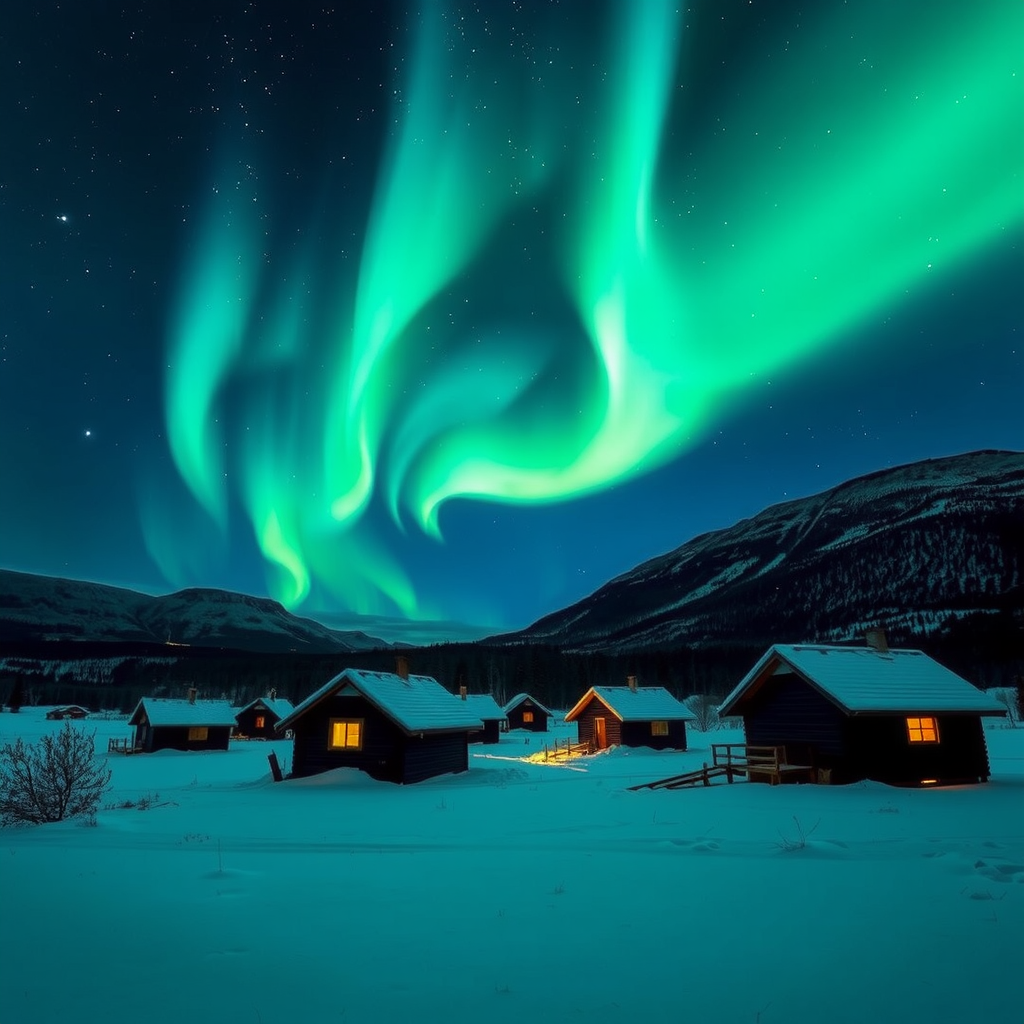
Travel experts across northern Norway are reporting exceptional viewing conditions for the aurora borealis, with the current season offering some of the most spectacular displays in recent years. Clear skies combined with heightened solar activity are creating optimal opportunities for visitors seeking the ultimate northern lights experience.
Peak Season Conditions Through March
The northern regions of Norway, including Tromsø, Alta, and the Lofoten Islands, are experiencing ideal conditions for aurora viewing through the end of March 2024. Meteorological data indicates extended periods of clear, dark skies coinciding with increased solar wind activity, creating the perfect storm for vibrant northern lights displays.
Best Viewing Locations
- Tromsø - Northern Norway's aurora capital
- Alta - UNESCO World Heritage site
- Lofoten Islands - Dramatic coastal views
- Svalbard - Extended polar night
Optimal Viewing Times
- 9:00 PM - 2:00 AM peak hours
- New moon phases preferred
- Clear sky conditions essential
- -5°C to -15°C ideal temperatures
Winter Adventure Packages in High Demand
Tourism operators throughout northern Norway report unprecedented demand for winter adventure packages that combine northern lights viewing with other Arctic experiences. These comprehensive packages typically include guided aurora tours, traditional Sami cultural experiences, and winter activities such as dog sledding and snowmobiling.
"This season has been absolutely extraordinary for aurora activity. We're seeing displays that are not only frequent but incredibly vibrant, with colors ranging from the classic green to rare purples and reds. It's a once-in-a-lifetime opportunity for visitors."
Scientific Factors Behind the Spectacular Displays
The current exceptional viewing conditions result from a combination of solar cycle activity and favorable weather patterns. Solar maximum periods, which occur approximately every 11 years, increase the frequency and intensity of coronal mass ejections that create the aurora phenomenon when they interact with Earth's magnetosphere.
Meteorologists note that the jet stream patterns this winter have created unusually stable high-pressure systems over northern Scandinavia, resulting in extended periods of clear skies. This weather stability, combined with the natural polar night conditions above the Arctic Circle, provides optimal darkness for aurora observation.
Planning Your Northern Lights Adventure
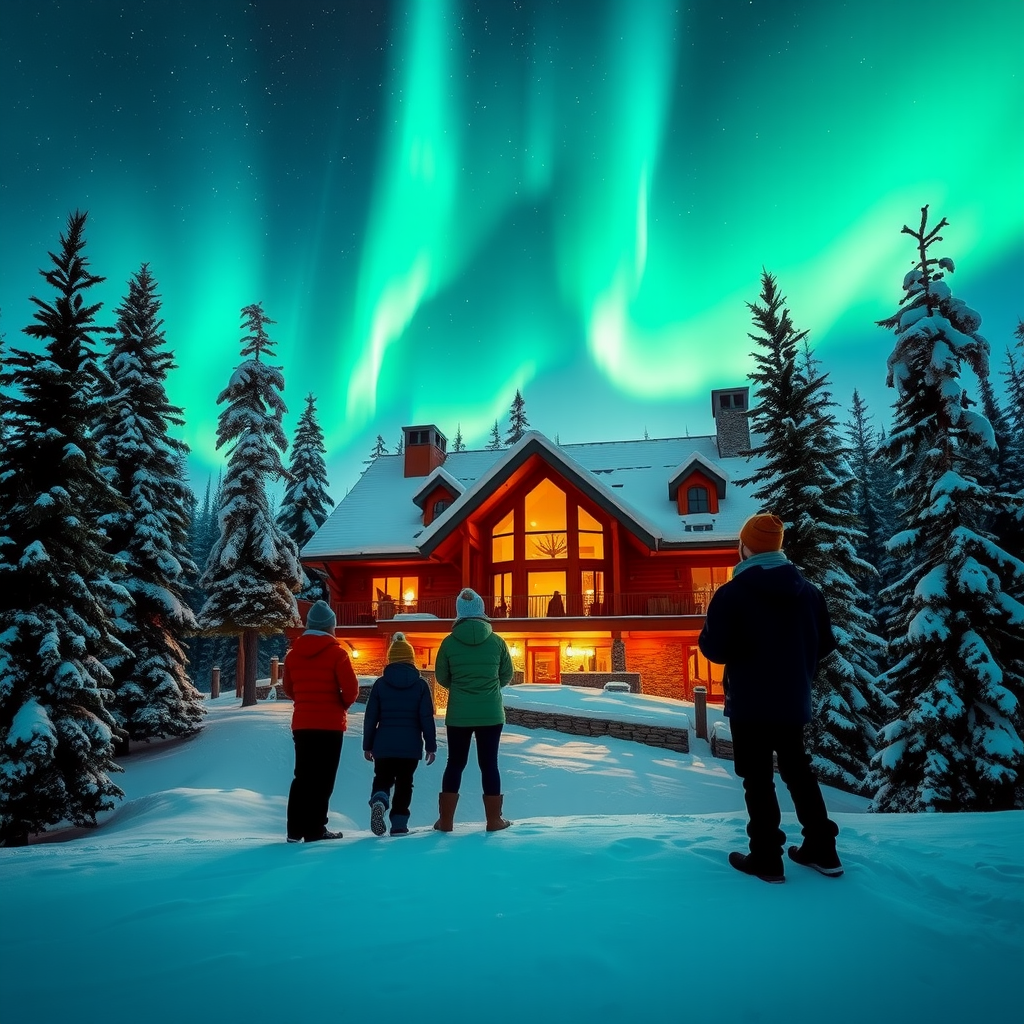
For travelers planning to experience this natural phenomenon, experts recommend booking accommodations well in advance, as hotels and lodges in prime viewing areas are experiencing high occupancy rates. Many establishments offer wake-up services for aurora alerts and provide specialized viewing areas with minimal light pollution.
Photography enthusiasts should prepare for extended outdoor sessions in sub-zero temperatures, with professional guides recommending specific camera settings and equipment for capturing the aurora's ethereal beauty. Many tour operators now offer photography workshops as part of their northern lights packages.
Essential Viewing Tips
- Dress in layers with insulated, waterproof outer clothing
- Bring hand and foot warmers for extended outdoor viewing
- Allow 20-30 minutes for eyes to adjust to darkness
- Check aurora forecasts and weather conditions daily
- Consider guided tours for optimal location selection
The current season represents a convergence of ideal conditions that may not occur again for several years. With solar activity expected to remain elevated through the remainder of March and weather patterns showing continued stability, visitors have a unique opportunity to witness one of nature's most spectacular displays in optimal conditions.
Tourism officials encourage travelers to book their northern lights adventures soon, as the combination of peak aurora activity and favorable weather conditions makes this an exceptional time to experience the magic of Norway's Arctic wilderness.